
Introduction
Artificial Intelligence is no longer just a futuristic concept — it has become the backbone of modern technology, powering everything from smartphones and healthcare systems to global enterprises and smart cities. As we move into 2026, AI trends 2026 are shaping industries faster than ever before. Businesses, developers, and governments are investing heavily in latest AI developments to automate operations, improve decision-making, and create smarter digital experiences.
In recent years, we’ve witnessed remarkable recent AI advancements such as generative AI tools, autonomous systems, intelligent cybersecurity defenses, and AI-powered healthcare diagnostics. These innovations are not just improving productivity — they’re redefining how humans and machines collaborate. From startups to multinational corporations, everyone is leveraging AI technology trends to stay competitive.
At the same time, conversations around ethics, regulation, and responsible AI are becoming equally important. As adoption grows, so does the need for safe and transparent systems.
This comprehensive guide explores the emerging trends in AI, real-world applications, and the future of AI in 2026 and beyond. Whether you’re a business owner, developer, or tech enthusiast, understanding these changes will help you stay ahead in the rapidly evolving world of artificial intelligence.
Generative AI Expansion
Generative AI has become the most talked-about breakthrough in ai news today. What started as simple chatbots and image creators has now evolved into highly sophisticated systems capable of producing human-like text, videos, code, music, and even 3D environments.
In 2026, generative AI is expanding across multiple domains:
Content Creation
Marketing teams use AI to write blogs, social media posts, and ad copy within minutes. Video creators generate scripts, animations, and voiceovers automatically. This has drastically reduced production time and costs while increasing creativity.
Personalized Experiences
Platforms now generate customized content based on user behavior. From personalized learning modules to tailored shopping recommendations, generative AI is enhancing customer engagement like never before.
Enterprise Knowledge Assistants
Companies are integrating AI assistants into their internal systems. These tools summarize documents, draft emails, analyze reports, and answer employee queries instantly, improving productivity across departments.
Multimodal AI Models
Modern systems can understand text, images, audio, and video simultaneously. This multimodal capability allows AI to deliver more natural and intelligent interactions, such as describing photos or generating videos from text prompts.
Generative AI’s rapid evolution clearly defines one of the biggest AI technology trends of 2026, and its impact will only grow stronger in the coming years.

AI in Cybersecurity
As digital threats increase, AI has become a crucial defense mechanism. Traditional security methods struggle to detect sophisticated cyberattacks, but AI excels at identifying patterns and anomalies in real time.
Threat Detection
AI systems continuously monitor networks to spot suspicious behavior. They can detect malware, phishing attempts, and ransomware attacks faster than human analysts.
Predictive Security
Rather than reacting to breaches, AI predicts vulnerabilities before they are exploited. By analyzing historical attack data, systems recommend proactive measures.
Automated Response
In 2026, cybersecurity tools don’t just detect threats — they respond automatically. AI can isolate infected systems, block malicious IPs, and apply patches instantly.
Fraud Prevention
Banks and fintech companies use AI to prevent fraudulent transactions by analyzing spending patterns. Any abnormal activity triggers immediate alerts.
These latest AI developments are making cybersecurity smarter, faster, and more reliable. As cyber threats grow more complex, AI will continue to be the backbone of digital protection.
AI in Healthcare
Healthcare is experiencing one of the most transformative impacts of recent AI advancements. From diagnosis to treatment and patient care, AI is saving lives and reducing costs.
Early Disease Detection
AI algorithms analyze medical images such as X-rays, MRIs, and CT scans with high accuracy. Diseases like cancer or heart conditions can now be detected earlier than ever.
Drug Discovery
Pharmaceutical companies use AI to simulate chemical interactions and predict drug effectiveness. This shortens research timelines from years to months.
Virtual Health Assistants
Patients can consult AI chatbots for basic medical advice, appointment scheduling, and medication reminders. This reduces the burden on healthcare staff.
Personalized Medicine
AI studies genetic data to recommend treatments tailored to individual patients. This leads to better outcomes and fewer side effects.
Remote Monitoring
Wearables connected with AI track heart rate, sleep patterns, and glucose levels, enabling real-time health monitoring.
Healthcare innovation driven by AI represents a major milestone in the future of AI, making quality medical services accessible worldwide.
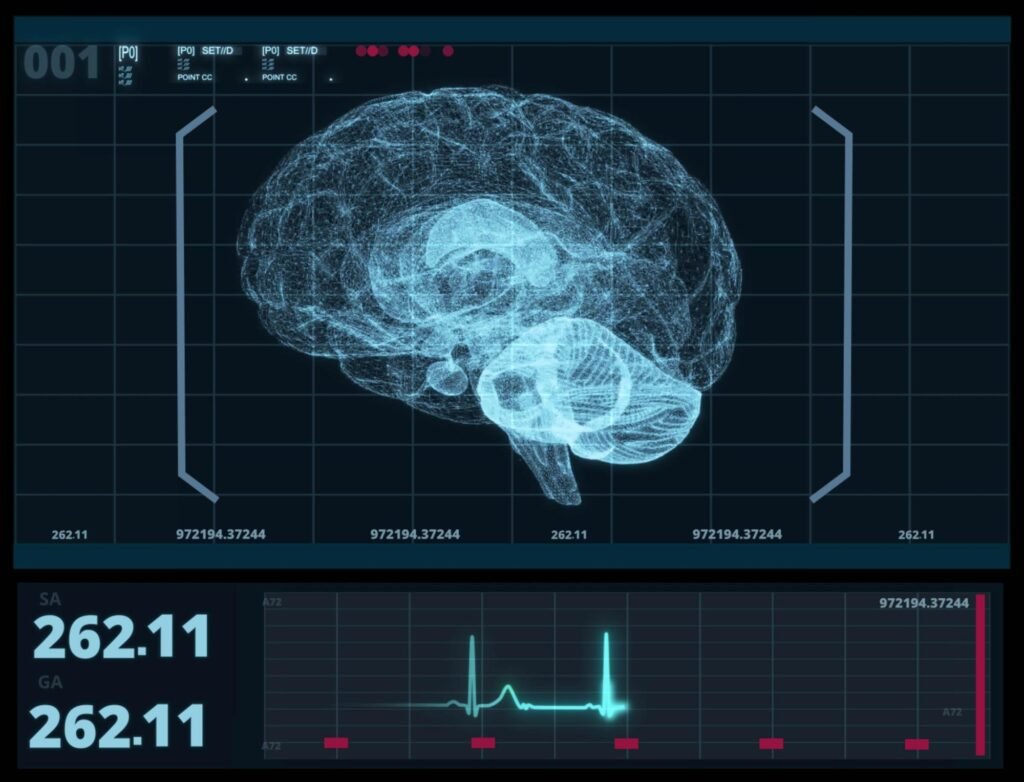
AI for Developers (Coding, Tools)
Developers are among the biggest beneficiaries of emerging trends in AI. AI-powered coding assistants have changed how software is built.
AI Code Generators
Tools now write entire functions or applications based on simple instructions. Developers save hours of manual coding.
Bug Detection
AI identifies errors and vulnerabilities instantly, improving software reliability.
Documentation & Testing
Automatic documentation, unit tests, and optimization suggestions reduce development time significantly.
Low-Code/No-Code Platforms
Non-technical users can create apps using AI tools without deep programming knowledge. This democratizes software development.
Intelligent DevOps
AI optimizes deployment pipelines, predicts server failures, and ensures system stability.
These ai technology trends enable faster innovation while allowing developers to focus on creative problem-solving rather than repetitive tasks.
AI Automation in Businesses
Business automation is one of the strongest AI trends 2026. Organizations are using AI to streamline operations, cut costs, and improve efficiency.
Customer Service
AI chatbots and virtual agents handle 24/7 support, answering thousands of queries simultaneously.
Sales & Marketing
AI analyzes customer behavior to predict buying intent and suggest personalized offers.
Supply Chain Management
Smart systems forecast demand, manage inventory, and optimize delivery routes.
HR Automation
Recruitment tools screen resumes, schedule interviews, and evaluate candidates automatically.
Financial Operations
AI manages invoices, fraud detection, and financial forecasting with high precision.
These latest AI developments allow businesses to scale faster while maintaining quality, making automation essential for competitiveness.
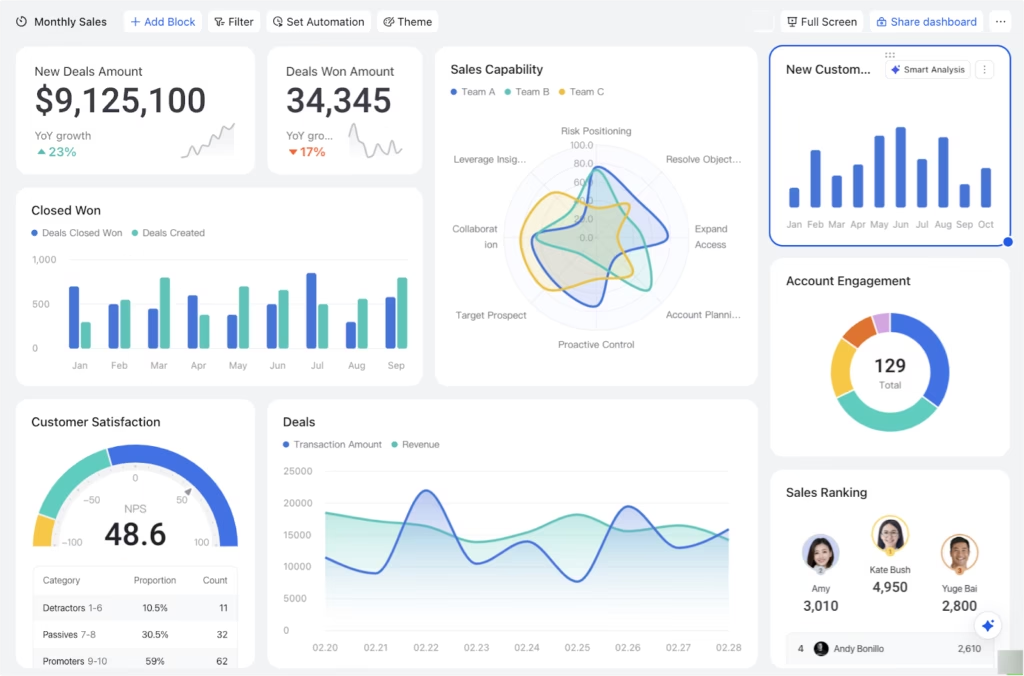
AI + Robotics
The combination of AI and robotics is redefining physical automation. Robots are no longer limited to repetitive tasks; they’re becoming intelligent collaborators.
Smart Manufacturing
Factories use AI-powered robots for assembly, inspection, and quality control. These systems work faster and reduce human error.
Autonomous Vehicles
Self-driving cars, drones, and delivery robots rely on AI for navigation and obstacle detection.
Service Robots
Hotels, hospitals, and retail stores use robots for cleaning, delivery, and assistance.
Agriculture
AI robots plant seeds, monitor crops, and harvest produce efficiently.
Disaster Response
Robots powered by AI operate in dangerous environments, such as fires or earthquakes, where humans cannot safely go.
AI-driven robotics represents a powerful step toward the automated future, showcasing practical recent AI advancements that impact everyday life.
AI Regulation and Ethics
With rapid AI growth comes responsibility. Governments and organizations are focusing on regulation to ensure ethical use.
Data Privacy
Strict rules protect user information from misuse.
Bias Reduction
Developers are training models on diverse datasets to prevent discrimination.
Transparent AI
Explainable AI helps users understand how decisions are made.
Responsible Deployment
Companies are adopting ethical guidelines to prevent harmful applications.
Global Policies
Countries are collaborating to create international standards for AI governance.
Regulation ensures that the future of AI remains safe, fair, and beneficial for society.
Future of Artificial Intelligence
Looking ahead, the future of AI promises even more groundbreaking changes.
We can expect:
- Human-AI collaboration instead of replacement
- Smarter personal assistants
- Fully autonomous vehicles
- AI-powered smart cities
- Advanced robotics in daily life
- More personalized digital experiences
- Faster scientific discoveries
AI will increasingly integrate into every aspect of life — education, finance, entertainment, transportation, and beyond. Rather than being just a tool, AI will act as a partner that enhances human capabilities.
By 2030 and beyond, artificial intelligence may reach levels where it can reason, adapt, and learn almost like humans. However, ethical oversight and responsible innovation will remain critical.
The next decade will define how AI reshapes our world, and those who adapt early will benefit the most.

FAQ
What are the latest AI trends?
The latest AI trends include generative AI expansion, AI-powered cybersecurity, healthcare diagnostics, business automation, AI coding assistants, robotics integration, and stronger AI regulations. These trends are driving innovation across industries in 2026.
What is the future of AI?
The future of AI involves smarter automation, personalized services, human-AI collaboration, and advanced robotics. AI will continue transforming industries while becoming more ethical, transparent, and accessible.
How is AI changing industries?
AI is automating repetitive tasks, improving decision-making through data analysis, reducing costs, and increasing efficiency. Industries such as healthcare, finance, manufacturing, education, and retail are already experiencing major improvements due to recent AI advancements.