
Introduction
Starting a business sounds exciting — being your own boss, building something meaningful, and creating financial freedom. But for many beginners, the process feels confusing and risky. Questions like Where do I start?, What is entrepreneurship and entrepreneur really mean?, or How do I develop company ideas into real businesses? often create hesitation.
This complete guide covers all about startup fundamentals in simple, practical terms. Whether you’re a first-time founder, a side-hustler, or one of the many small businessmen planning to grow bigger, you’ll learn exactly how startups work, how to launch, and how to succeed long-term.
By the end, you’ll have a clear roadmap to turn your idea into a thriving business.
What Is Entrepreneurship?

Entrepreneurship is the process of identifying opportunities, creating solutions, and building businesses that deliver value while earning profit.
In simple words:
Entrepreneurship means starting and running a business to solve problems and make money.
It involves:
- Taking risks
- Investing time and money
- Innovating new ideas
- Managing resources
If you’ve ever wondered what is entrepreneurship and entrepreneur, think of it like this: entrepreneurship is the journey, and the entrepreneur is the person taking that journey.
Key characteristics of entrepreneurship
- Innovation and creativity
- Problem-solving mindset
- Risk-taking ability
- Leadership skills
- Long-term vision
Without entrepreneurship, we wouldn’t have startups, small businesses, or big business enterprise giants shaping the economy today.
Who Is an Entrepreneur?

An entrepreneur is a person who starts and manages a business by taking financial and personal risks with the goal of making profits.
They don’t just work in the business — they work on the business.
Entrepreneurs usually:
- Spot opportunities others miss
- Create products or services
- Hire and manage teams
- Make strategic decisions
- Adapt quickly to change
Types of entrepreneurs
- Small business owners – local stores, freelancers, service providers
- Startup founders – tech or innovative businesses aiming to scale fast
- Social entrepreneurs – focused on social impact
- Corporate entrepreneurs – innovators inside big companies
Whether you’re a freelancer or building a global company, you are an entrepreneur if you take ownership and build value.
Types of Businesses (Small, Medium, Big Enterprises)

To truly understand all about startup, you must know the different business categories.
1. Small Business
When people ask you to explain small business, it means businesses with limited staff, local customers, and modest revenue.
Examples:
- Grocery stores
- Cafes
- Freelancers
- Local service providers
Small businessmen often manage everything themselves — marketing, sales, and operations.
Pros:
- Low investment
- Quick start
- Personal control
Cons:
- Limited growth
- Limited resources
2. Medium Business
Medium businesses have:
- 20–200 employees
- Wider customer base
- Structured management
They’re more stable than small businesses and often aim for regional expansion.
3. Big Business Enterprise
A big business enterprise operates at national or global scale.
Examples:
- Tech companies
- Manufacturing giants
- Large retail chains
They require:
- Large capital
- Professional management
- Advanced systems
Most startups dream of becoming a big enterprise someday.
How Startups Work
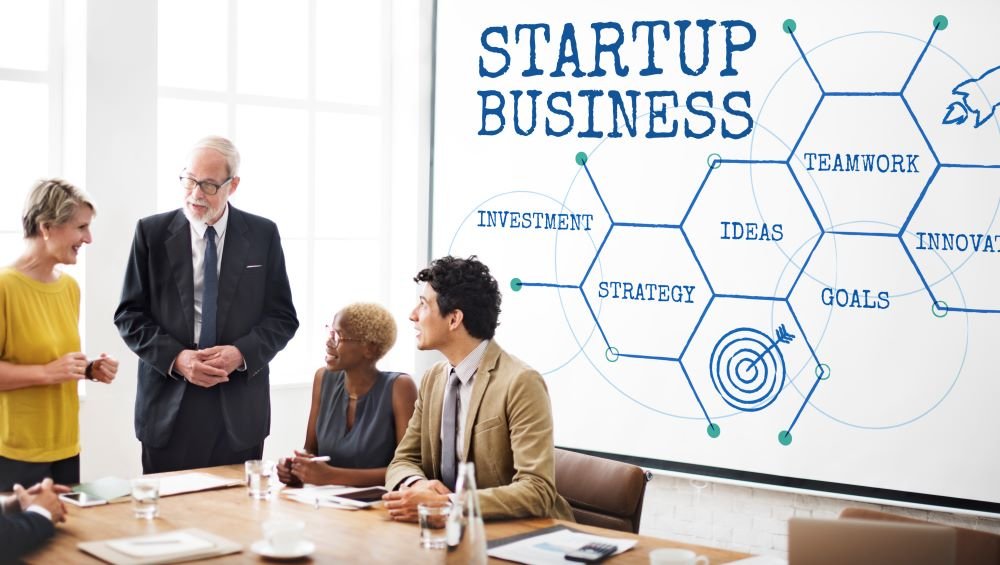
A startup is different from a traditional business.
A startup focuses on rapid growth and scalability.
Instead of opening one shop and staying local, startups aim to grow fast using technology and innovation.
Startup lifecycle
1. Idea Stage
- Identify problem
- Research market
2. Validation Stage
- Build MVP (Minimum Viable Product)
- Get early customers
3. Funding Stage
- Bootstrap or raise investment
4. Growth Stage
- Scale marketing
- Expand team
- Increase revenue
5. Expansion Stage
- Enter new markets
- Automate processes
Startups test quickly, fail fast, and improve constantly.
How to Develop a Company from Idea to Launch

If you want to develop company ideas into real businesses, follow this simple roadmap.
Step-by-step process
Step 1: Identify a problem
Look for real pain points people face daily.
Step 2: Research the market
Ask:
- Who are customers?
- Who are competitors?
- Is there demand?
Step 3: Create a solution
Design product/service that solves the problem better.
Step 4: Build MVP
Launch a basic version first, not perfect.
Step 5: Register your business
Choose legal structure and licenses.
Step 6: Launch & market
Use:
- Social media
- SEO
- Content marketing
- Paid ads
Step 7: Measure & improve
Track:
- Sales
- Costs
- Customer feedback
Repeat and optimize.
Challenges New Startups Face
Every startup struggles. Knowing this helps you prepare.
Common challenges
- Lack of funding
- Poor market research
- Hiring wrong team
- Weak marketing
- Cash flow issues
- Burnout
How to overcome
- Start small and lean
- Validate before investing
- Track expenses strictly
- Focus on customers
- Build strong networks
Remember: most failures happen due to poor planning, not bad ideas.
Tips for Small Business Success

Whether you’re one of many small businessmen or a startup founder, these tips apply.
Practical success tips
1. Focus on customers
Happy customers bring repeat sales.
2. Control costs
Profit matters more than revenue.
3. Build online presence
- Website
- SEO
- Google Business listing
- Social media
4. Use technology
Automate:
- Accounting
- Marketing
- CRM
5. Keep learning
Markets change fast. Stay updated.
Consistency beats quick hacks.
Future of Startups
Future of Startups
Startups are shaping the future economy.
Trends to watch
- AI and automation
- Remote work
- Sustainable businesses
- Digital payments
- E-commerce growth
- Subscription models
Opportunities are bigger than ever. Starting today is easier than 10 years ago.
The future belongs to fast, adaptable entrepreneurs.
FAQs
1. What is entrepreneurship and entrepreneur in simple words?
Entrepreneurship is starting a business. An entrepreneur is the person who starts and runs it.
2. What is the difference between startup and small business?
A startup aims for fast growth and scalability. A small business focuses on stable local income.
3. How much money do I need to start a startup?
It depends. Many startups begin with minimal funds using bootstrapping and MVP strategies.
4. Can small businessmen grow into big business enterprise owners?
Yes. With smart planning, scaling, and reinvestment, small businesses can become large enterprises.
5. How long does it take to develop company success?
Typically 2–5 years of consistent effort and improvement.
Conclusion
Understanding all about startup and entrepreneurship gives you clarity and confidence to take action.
You don’t need millions of dollars or a perfect idea.
You need:
- A real problem
- A simple solution
- Consistent execution
- Patience
Start small, learn fast, and grow step by step.
Your business journey begins with one decision — start today.